Auto Parts Quality Control in China - The Complete Inspection Guide
The complete inspection methodology used by ok.parts to deliver consistent quality from 3,500+ Chinese factories - with real defect examples, AQL standards, equipment specifications, and the 3-stage QC system that makes it possible.
Quality control is the single most important factor in sourcing auto parts from China. It is also where most importers fail. A single shipment of brake pads with incorrect friction coefficients, a batch of oxygen sensors with loose connector pins, or control arms with mounting holes 0.3mm off-spec - any of these can trigger warranty claims, customer loss, and in worst cases, vehicle accidents and lawsuits.
China's factories are entirely capable of producing world-class auto parts. Many of them supply OEM brands directly. The quality issue is not about capability - it is about oversight. Without structured, independent inspection at every production stage, quality drifts. Materials get substituted. Tolerances loosen. Packaging gets downgraded.
This guide describes the complete auto parts quality control methodology used by ok.parts across 3,500+ factories - the same system that maintains a defect rate below 0.1% on every order.
- Why Quality Control Is the Number One Issue
- The Most Common Defects in Chinese Auto Parts
- The 3-Stage Quality Control System
- Understanding AQL Standards for Auto Parts
- Inspection Equipment and Measurement Tools
- QC Specifics by Part Category
- Packaging Inspection
- Third-Party Inspection vs. Integrated QC
- Supplier Quality Management
- Frequently Asked Questions
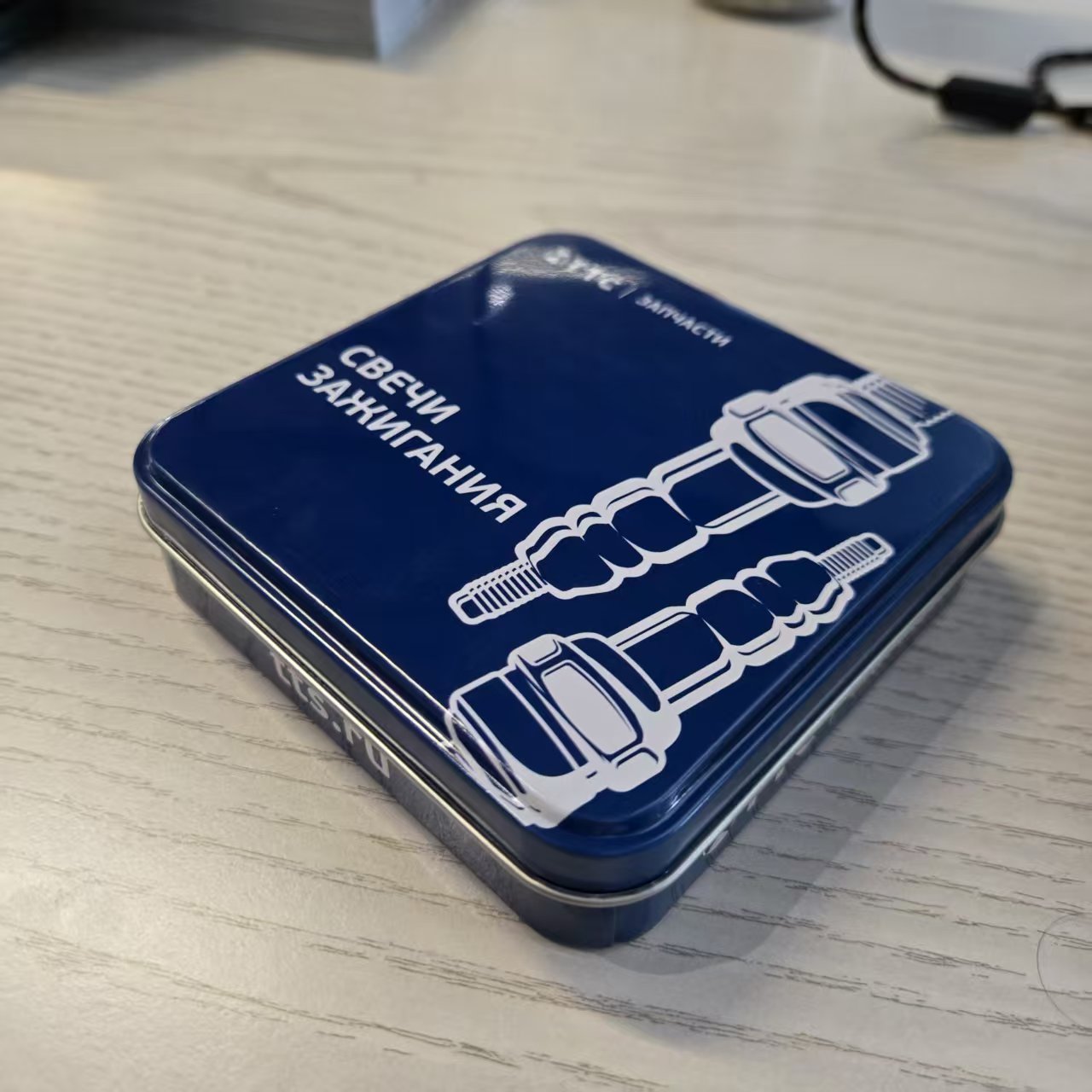
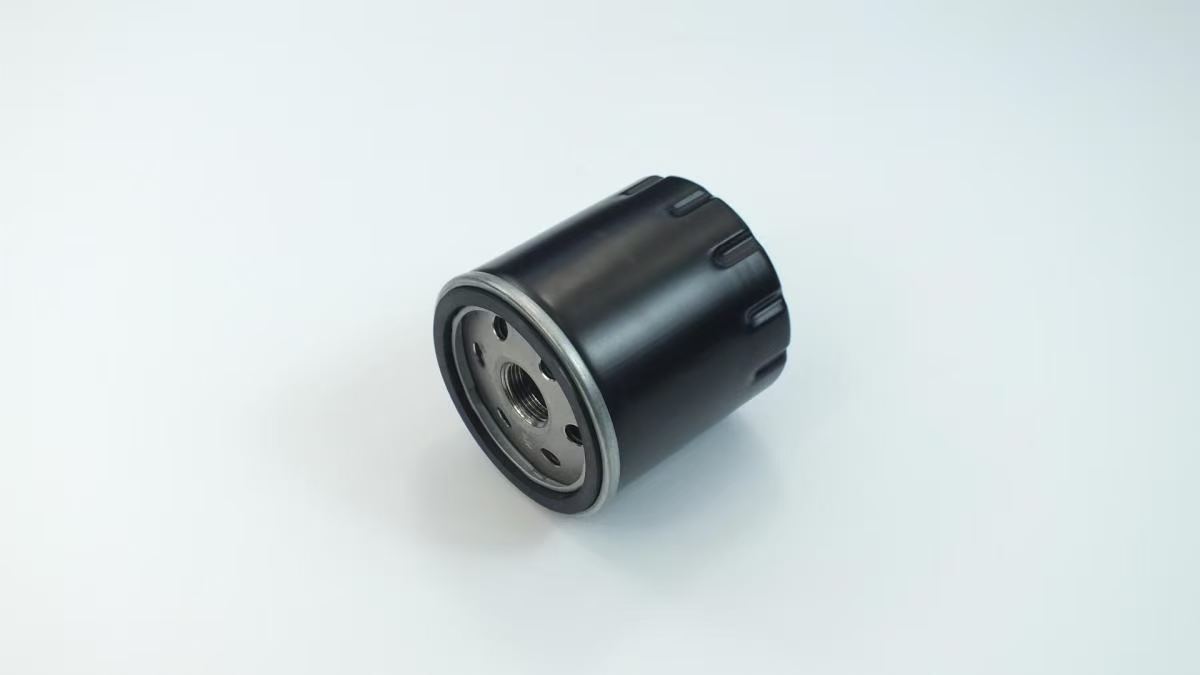
Quality inspection and verification process at ok.parts - every order, every factory, every time.
1. Why Quality Control Is the Number One Issue When Sourcing Auto Parts from China
Auto parts are not consumer gadgets. A phone case with a cosmetic scratch is an annoyance. A brake caliper with an incorrect bore diameter is a safety hazard. The stakes are fundamentally different.
The sheer number of factories. China has over 10,000 auto parts manufacturers. Quality levels range from world-class (OEM-tier) to unacceptable. Without inspection, you are gambling on which end you get.
The distance factor. When your factory is 8,000 km away, problems are invisible until the container arrives. You cannot return defective auto parts to China economically.
The economic incentive to cut corners. If steel costs rise 15% mid-production, an unmonitored factory may substitute a cheaper grade. You will not see it in the finished part - you will see it in failure rates six months later.
The cost of proper QC is a tiny fraction of the cost of one bad shipment. For private label brands, the damage from defective parts is permanent - your name is on the part.
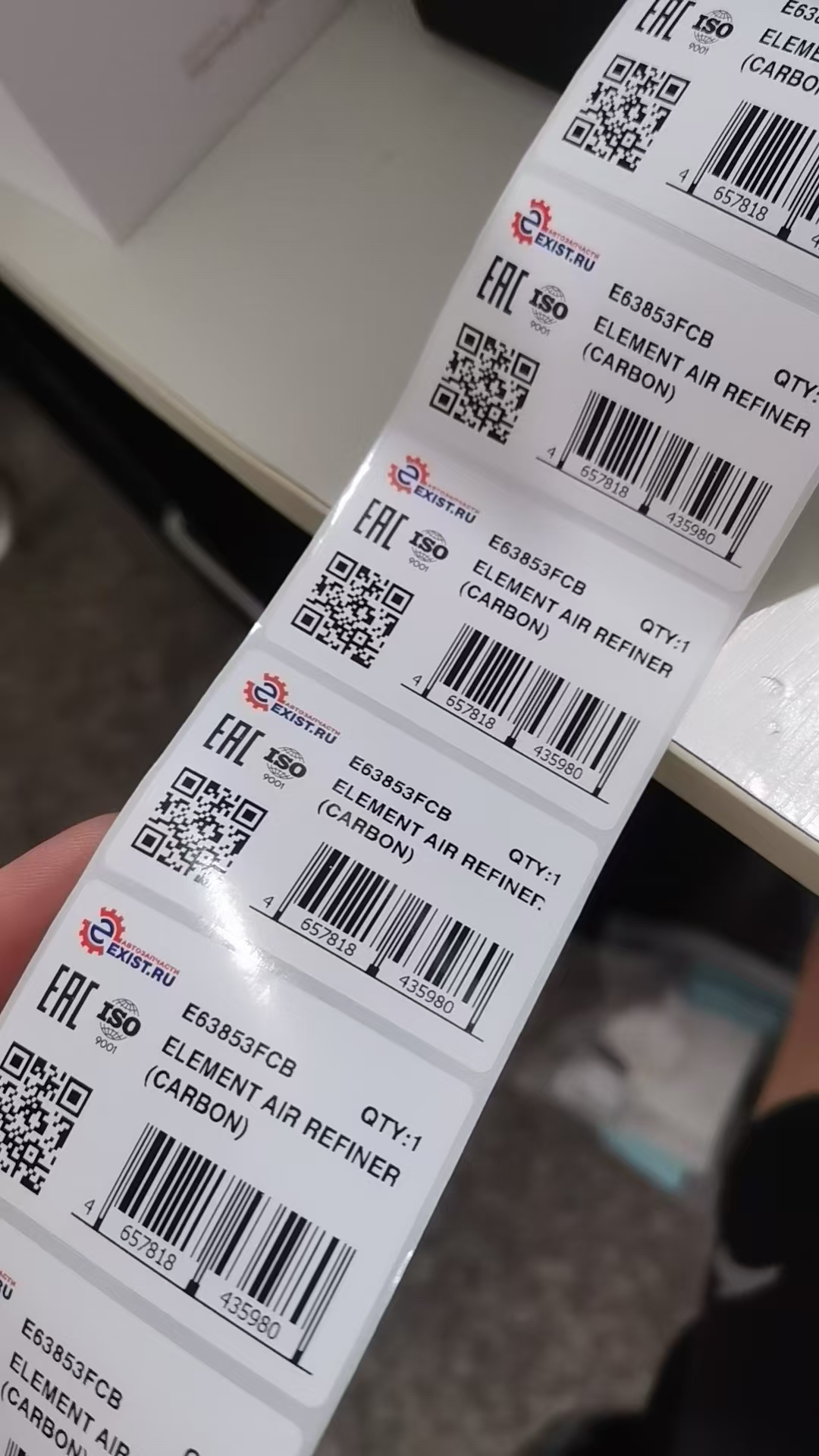
Verification of product labeling, barcodes, and certification marks - critical for both quality and compliance.
2. The Most Common Defects in Chinese Auto Parts
After inspecting millions of parts across thousands of factories, certain defect patterns appear repeatedly:
The critical insight: most of these defects are preventable. A systematic QC process catches every category at different stages.
3. The 3-Stage Quality Control System
The ok.parts QC system runs on a fundamental principle: prevent defects, do not just detect them.
Pre-Production Audit
When: Before the first part rolls off the line. Purpose: Verify all inputs are correct. This stage prevents 60% of quality issues.
What inspectors check: raw materials match specification sheets (steel grade, rubber compound), material test certificates verified, tooling and molds calibrated, technical drawings match current revision, packaging materials on-site and correct (boxes, labels, barcodes, VCI bags), approved reference sample available for comparison.
Duration: 0.5-1 day per order.
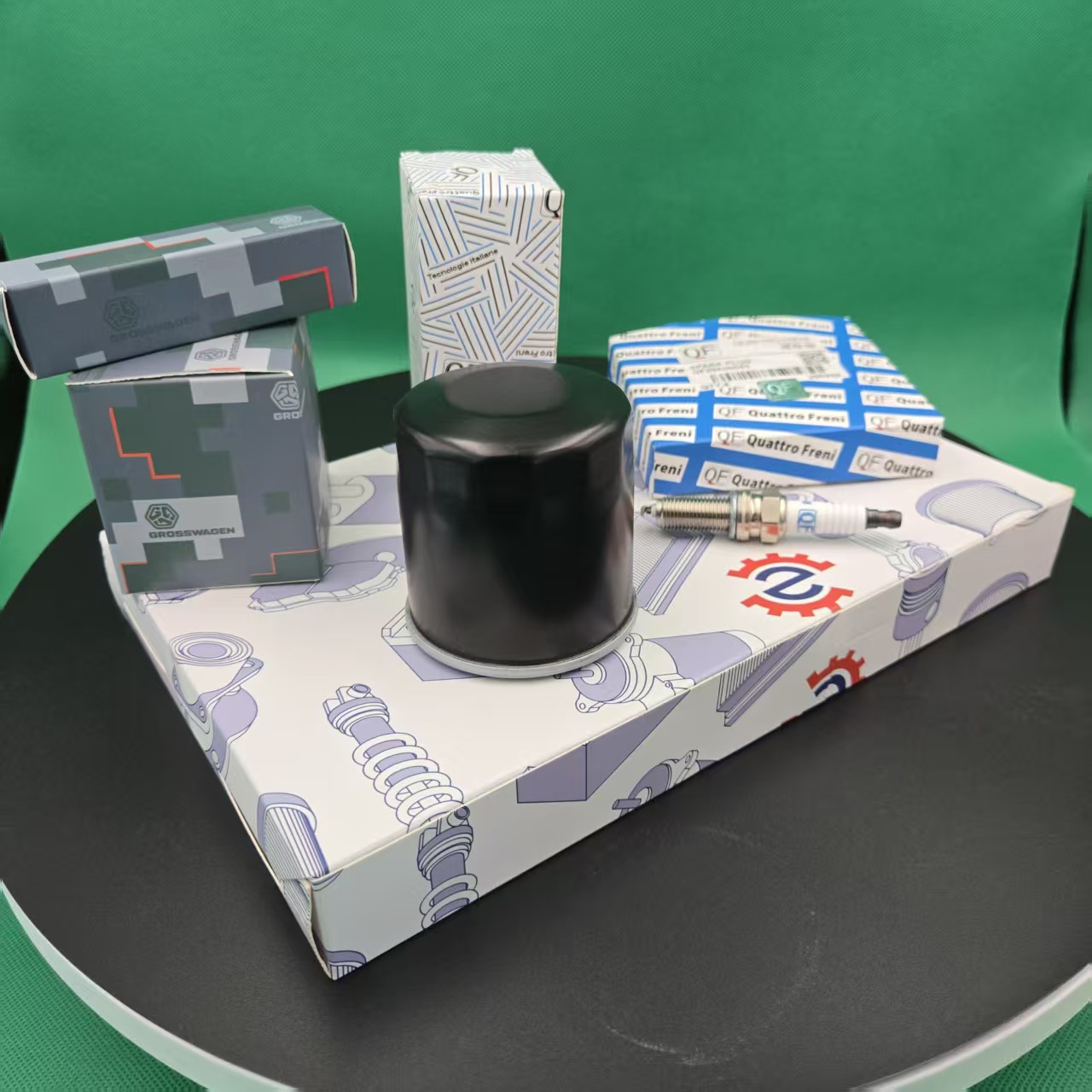
Pre-production verification: packaging materials, labels, and barcodes checked before production starts.
In-Process Inspection
When: At 30-50% production completion. Purpose: Catch drift while correction is still possible.
What inspectors check: critical dimensions measured with calibrated instruments (calipers, micrometers, gauges), surface finish compared against reference sample, coating thickness measured (paint, zinc, chrome), material hardness tested (Rockwell/Brinell for metal, Shore for rubber), random functional test (thread engagement, sensor signal, spring tension), assembly correctness for multi-component parts.
Duration: 1-2 days depending on order size.
In-process inspection: dimensional verification and quality checks at 30-50% production completion.
Pre-Shipment Final Check
When: After 100% production is complete and packaged. Purpose: Final gate before shipment authorization.
What inspectors check: AQL sampling per ISO 2859-1, dimensional verification of sampled parts, functional testing (fit test, electrical test, pressure test), quantity count matches purchase order, packaging integrity (drop test, humidity exposure, carton strength), labeling accuracy (part numbers, OEM cross-references, barcodes scannable), anti-corrosion protection present (VCI bags, desiccants), shipping marks correct.
Duration: 1-3 days. Decision: Pass = shipment authorized. Fail = rework/replace/reject.
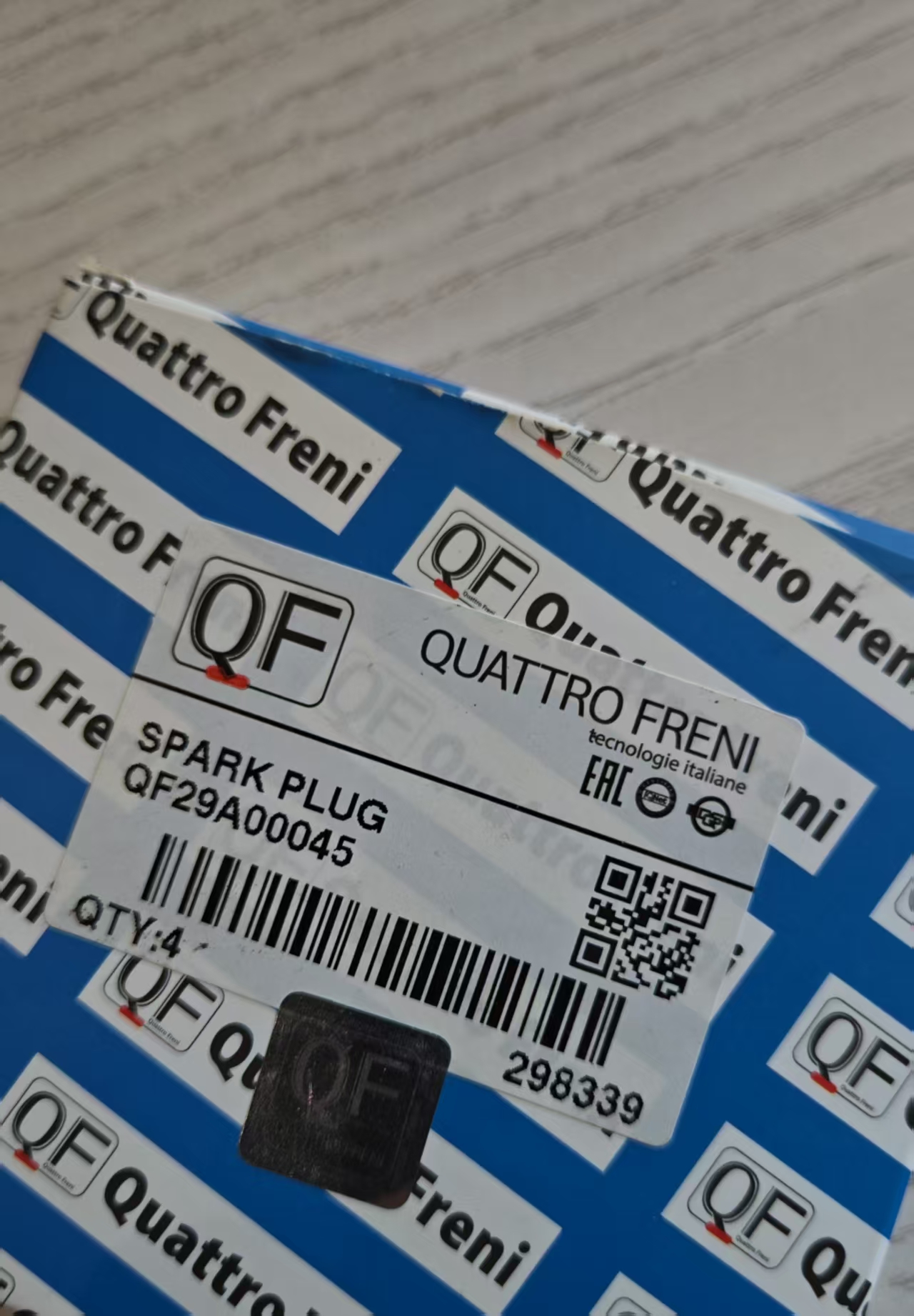
Pre-shipment check: final packaging verification - correct part, correct box, correct label, barcode scanned.
Why 3 stages, not 1: Most importers only do Stage 3 (pre-shipment). That is better than nothing, but fundamentally reactive. Stages 1 and 2 are what make the difference between a 2-3% defect rate and under 0.1%. They prevent defects from entering the production stream.
4. Understanding AQL Standards for Auto Parts
| Defect Type | Definition | Recommended AQL | Example |
|---|---|---|---|
| Critical | Safety hazard or non-functional | 0 (zero) or 0.65 | Brake pad wrong friction material, sensor no signal |
| Major | Functional but significantly affected | 1.0 - 2.5 | Control arm bushing too loose, gasket uneven |
| Minor | Cosmetic or packaging only | 2.5 - 4.0 | Light scratch on non-visible surface, dented box |
ok.parts applies stricter AQL levels than general merchandise: AQL 0 for critical defects on safety parts (brake, steering, suspension), AQL 0.65 for critical defects on non-safety parts, and AQL 2.5 for major defects.
5. Inspection Equipment and Measurement Tools
| Tool | Measures | Used For |
|---|---|---|
| Digital Calipers (0.01mm) | External/internal dimensions, depth | Every part - bore diameter, wall thickness, overall length |
| Micrometers (0.001mm) | Precise external dimensions | Shaft diameters, bearing surfaces, seal grooves |
| Thread Gauges (Go/No-Go) | Thread pitch and diameter | Bolts, studs, threaded housings |
| Coating Thickness Gauge | Paint, zinc, chrome layer | Corrosion protection verification |
| Hardness Tester | Material hardness | Verifying steel grade, heat treatment |
| Surface Roughness Tester | Ra/Rz finish values | Brake disc surfaces, seal contact areas |
| Multimeter / Oscilloscope | Electrical resistance, signal output | ABS sensors, ignition coils, solenoids |
| CMM | Complex 3D geometry | Castings with multiple critical surfaces |
6. QC Specifics by Part Category
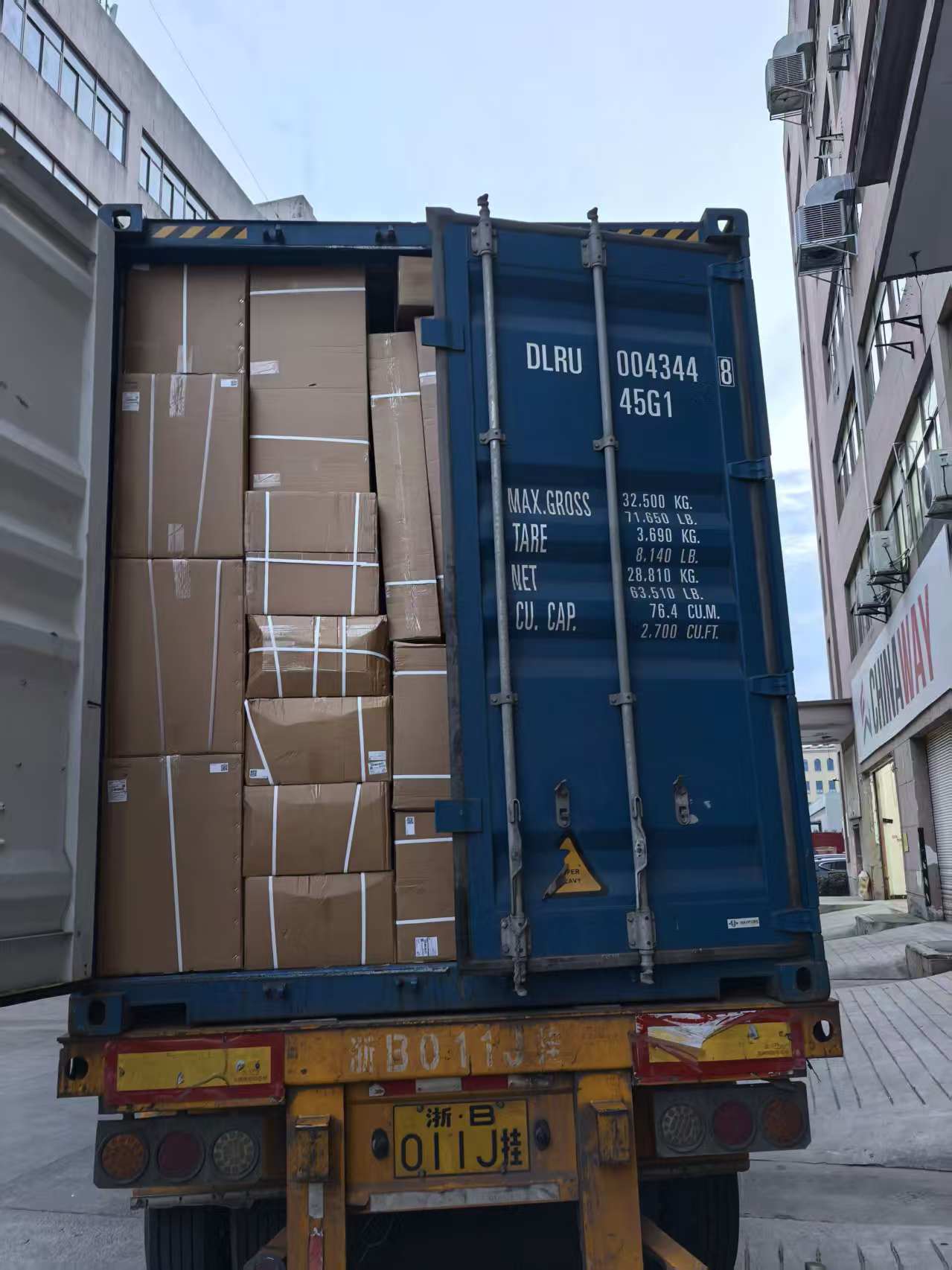
Different part categories require different inspection priorities and equipment.
Brake Components (Pads, Discs, Calipers)
Safety-critical - zero tolerance. Key checks: friction material composition (XRF analysis), disc thickness and runout (max 0.02mm), pad backing plate flatness, caliper bore diameter. ECE R90 test reports for European markets.
Suspension Components (Control Arms, Ball Joints, Tie Rods)
Load-bearing - dimensional accuracy paramount. Key checks: mounting hole alignment (CMM), ball joint torque range, rubber bushing hardness (Shore A), weld integrity.
Engine Sensors (O2, ABS, Crankshaft)
Electronic precision. Key checks: connector pin-out matches OEM, signal output within spec (oscilloscope), harness length matches vehicle routing, weatherproof seal integrity.
Filters (Oil, Air, Fuel, Cabin)
High volume, relatively simple. Key checks: filter media quality and fold count, gasket/seal dimensions, bypass valve spring tension, anti-drainback valve function for oil filters.
Throttle Bodies
Electronic precision assemblies. Key checks: bore diameter and surface finish, TPS signal linearity across full range, motor torque and response time, connector fit. Adaptation procedure documentation.
7. Packaging Inspection
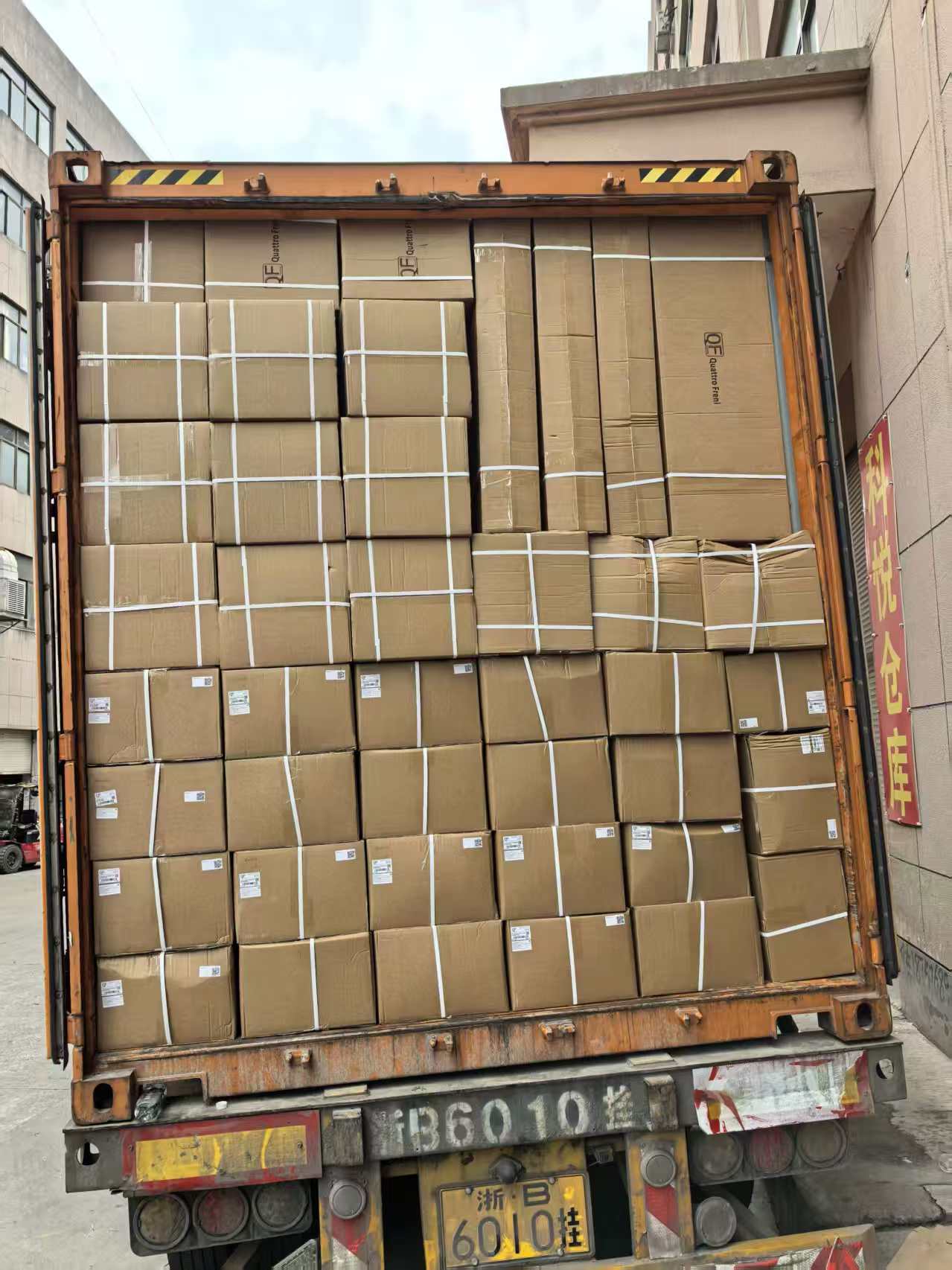
Packaging quality directly affects customer perception - inspection ensures correct labels, protection, and presentation.
Packaging inspection catches a surprising number of customer complaints. A perfectly manufactured part that arrives corroded or in a crushed box creates the same customer experience as a defective part.
ok.parts packaging inspection covers: VCI anti-corrosion bags for all metal parts, foam inserts for fragile components (sensors, electronics), carton weight test (drop from 76cm), barcode scan test on every label, moisture indicators for humidity-sensitive shipments.
Specify it in writing. Packaging requirements must be in the purchase order. "Standard packaging" means different things to different factories. Specify: VCI bags, foam inserts, carton material, labeling requirements, pallet configuration. If it is not in writing, it will not happen consistently.
8. Third-Party Inspection vs. Integrated QC
| Factor | Third-Party Inspection | Integrated QC (ok.parts) |
|---|---|---|
| Auto Parts Expertise | Varies - most are generalists | Specialized in auto parts - knows OEM specs, tolerances |
| Stages Covered | Usually only pre-shipment | All 3 stages: pre-production, in-process, pre-shipment |
| Equipment | Basic (calipers, visual) | Full suite: CMM, hardness, coating, oscilloscope |
| Cost | $200-$400 per man-day | Built into ok.parts service - no separate fees |
| Corrective Action | Reports defects - you negotiate | Manages corrections directly with factory |
9. Supplier Quality Management
Quality control does not end when the inspection report is filed. The most valuable part of a QC system is the feedback loop.
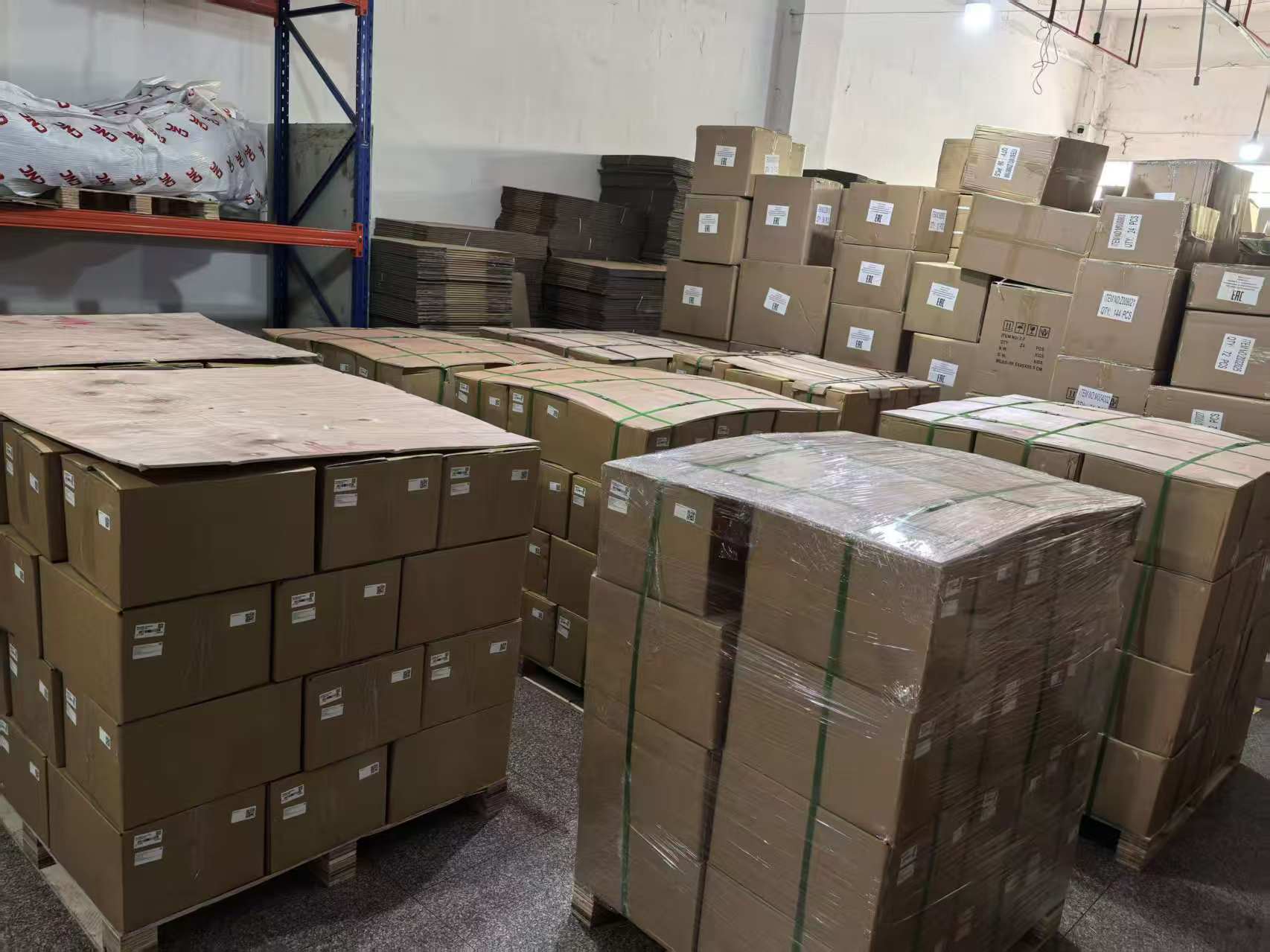
The end result of consistent quality management - branded products that meet spec every time.
At ok.parts, every inspection generates structured data feeding into a supplier quality scorecard. This tracks: defect rate by factory, defect type patterns, response time to corrective actions, re-inspection pass rate, and trend over time (improving or deteriorating).
Factories that score well get priority for new orders. Factories with declining quality get intensified inspection and corrective action plans. Factories that fail to improve are removed from the network. After 8+ years of operation, the ok.parts factory network has been filtered through millions of data points - the factories that remain consistently pass the most demanding inspections.
10. Frequently Asked Questions
What defect rate is acceptable for auto parts from China?
Industry standard AQL is 0.65-1.0 for critical defects and 2.5 for major defects. With a 3-stage QC system, defect rates below 0.1% are achievable - as demonstrated by ok.parts across 3,500+ factories.
How much does quality control for auto parts in China cost?
Third-party inspection costs $200-$400 per man-day. A pre-shipment inspection takes 1-2 man-days. When working with ok.parts, QC is included - no separate fees.
Should I use a third-party inspection company or my supplier QC?
Never rely solely on supplier internal QC - it is a conflict of interest. Use independent inspection or a sourcing partner like ok.parts with its own QC infrastructure separate from the factories.
What are the most common defects in Chinese auto parts?
Dimensional inaccuracies, surface defects (burrs, incomplete coating), material substitution, packaging damage (corrosion), and labeling errors. A 3-stage QC system catches all of these at different stages.
What equipment is needed for auto parts inspection?
Digital calipers (0.01mm), micrometers, thread gauges, coating thickness gauge, hardness tester, surface roughness tester, torque wrench. For electrical components: multimeter and oscilloscope. For complex geometries: CMM.
What is the difference between AQL 1.0 and AQL 2.5?
AQL 1.0 allows no more than 1% defects in the sample - used for critical defects. AQL 2.5 allows 2.5% - used for major defects. For auto parts, AQL 0.65 is recommended for safety-critical components like brake and steering parts.
Start Sourcing with Built-In QC
Related Guides
- Private Label Auto Parts Manufacturer: Build Your Own Brand
- How to Source OEM-Quality Auto Parts from China
- Wholesale Auto Parts Supplier from China
- Throttle Bodies: Complete Technical and Wholesale Guide
- Ignition Coils: Complete Technical and Wholesale Guide
- Oxygen Sensors (Lambda Sensors): Complete Guide
- ABS Wheel Speed Sensors: Complete Guide